EBLS
Engineering Becoming Learning Science
studies how learners develop ways of observing, judging, testing, revising, and acting through authentic engineering activity.

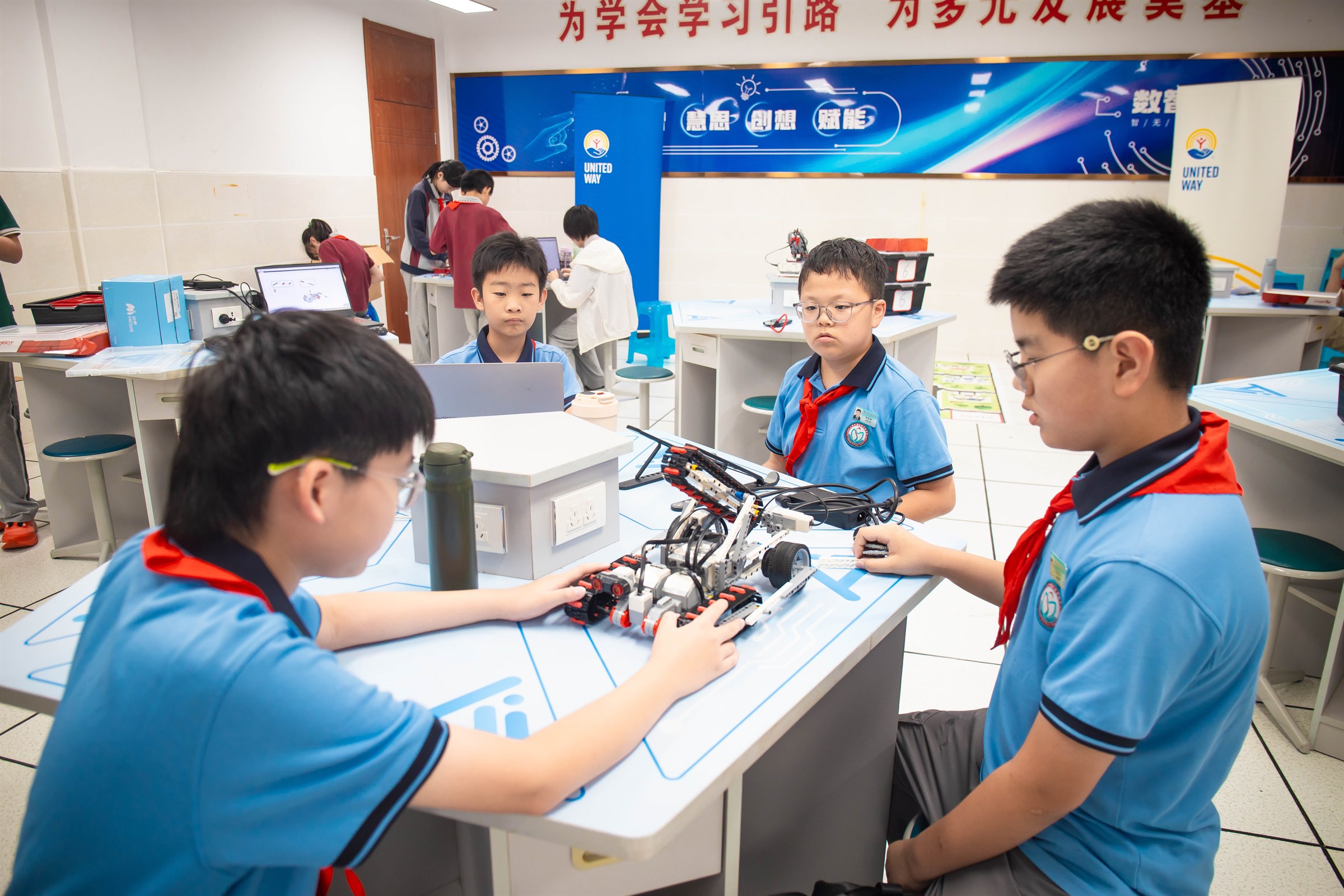
Engineering learning, observed closely
Building something is not the same as learning from engineering.
At ETERC, we study what happens as learners face authentic engineering problems: what they notice, how they form judgments, what happens when they act on those judgments, and how they revise their thinking when reality responds.
ETERC is a Shanghai-based educational research institution working at the intersection of learning sciences and engineering education.
We investigate how engineering thinking develops through authentic engineering activity—and how learners may gradually develop ways of thinking, acting, valuing, and seeing themselves in relation to engineering.
Explore Our Research01 / The question
A bridge can stand. A rocket can launch. A robot can move. A design can pass a simulation.
These outcomes matter. But they do not tell us, by themselves, what the learner has learned.
What did the learner notice? What judgment did they make? What happened when that judgment met reality? What changed next?
For ETERC, these are central questions in understanding engineering learning.
02 / Research — EBLS & EBT
ETERC investigates these questions through two related emerging research frameworks:
EBLS
studies how learners develop ways of observing, judging, testing, revising, and acting through authentic engineering activity.
EBT
explores the broader proposition that sustained engagement with engineering may contribute not only to knowledge and skills, but also to how learners think, act, value engineering, and see themselves in relation to it.
Here, “becoming” refers to development through participation in engineering—not simply the completion of engineering tasks.
These frameworks organize an ongoing inquiry; they are not presented as finished answers.
Research informs practice. Practice generates evidence. Evidence tests and revises research.
Explore EBLS & EBT03 / ELE & S
ETERC brings these research questions into authentic learning environments through ELE.
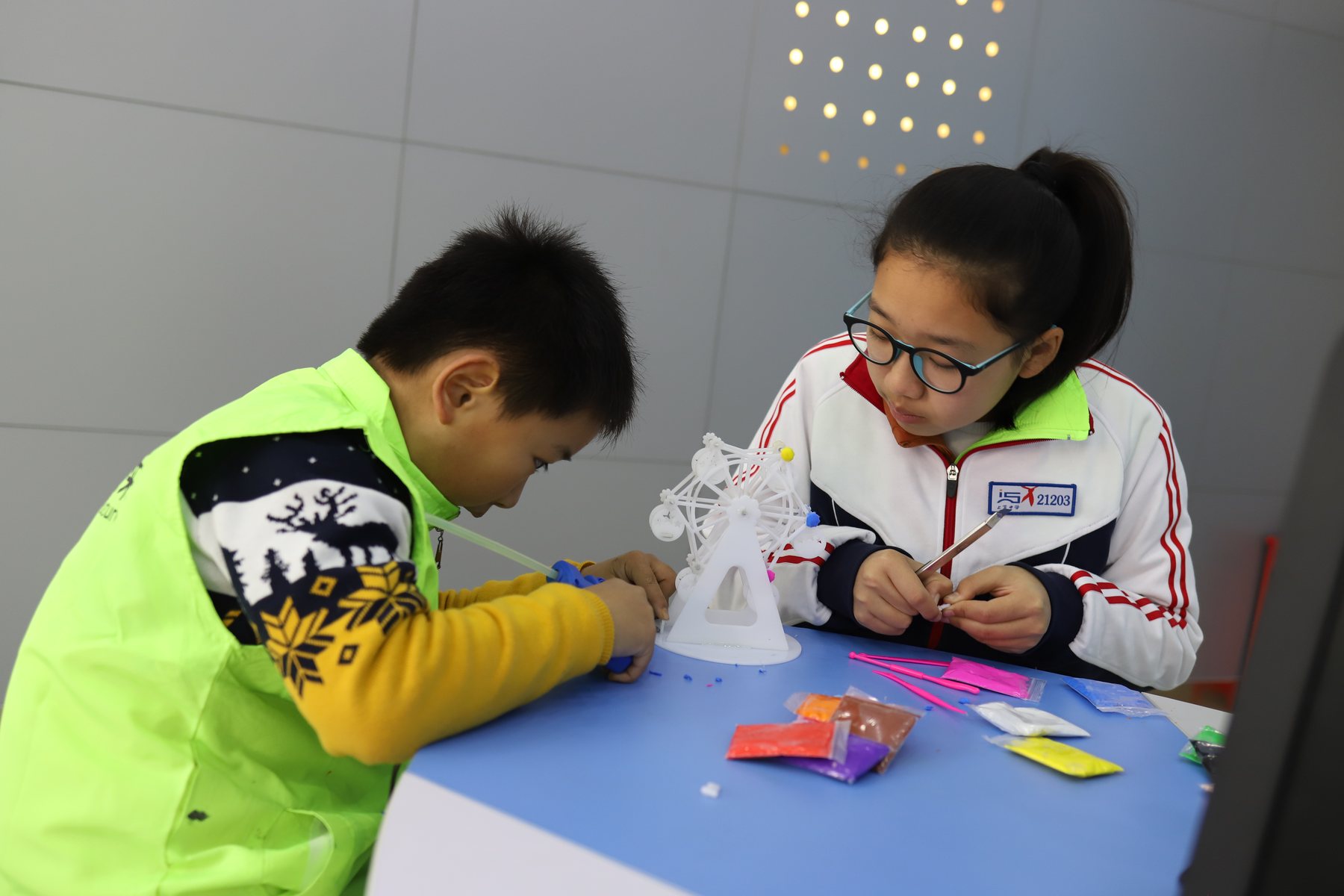
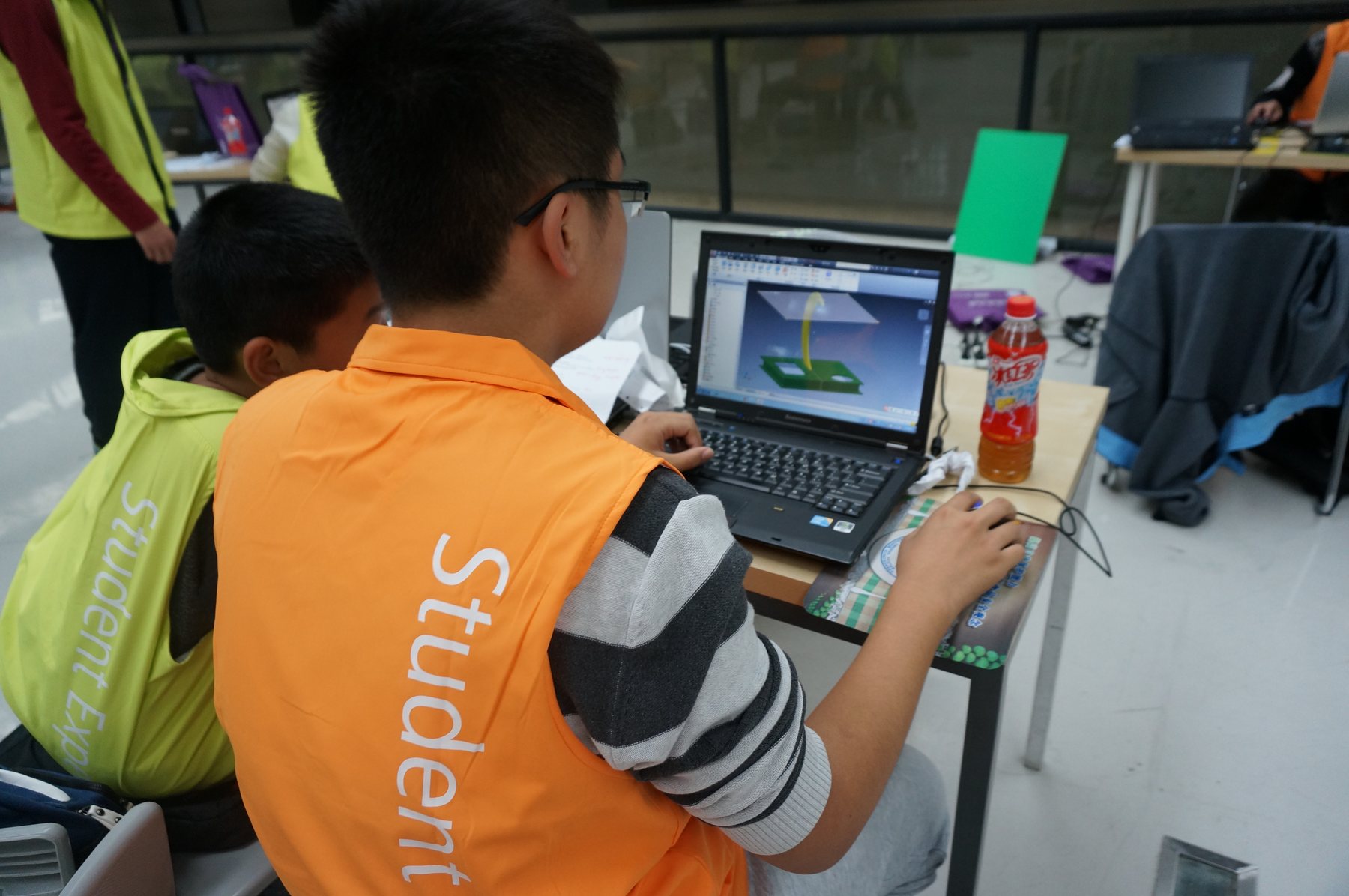
Learners encounter engineering problems, make judgments, act on their ideas, see what actually happens, and have opportunities to revise what they think and do.
Within ELE, S — your ELE Learning Partner provides bounded AI support without taking over the learner’s judgment or the teacher’s educational authority.
The learner remains the owner of the judgment and action.
Student before technology. Reality before AI.
Discover ELE & S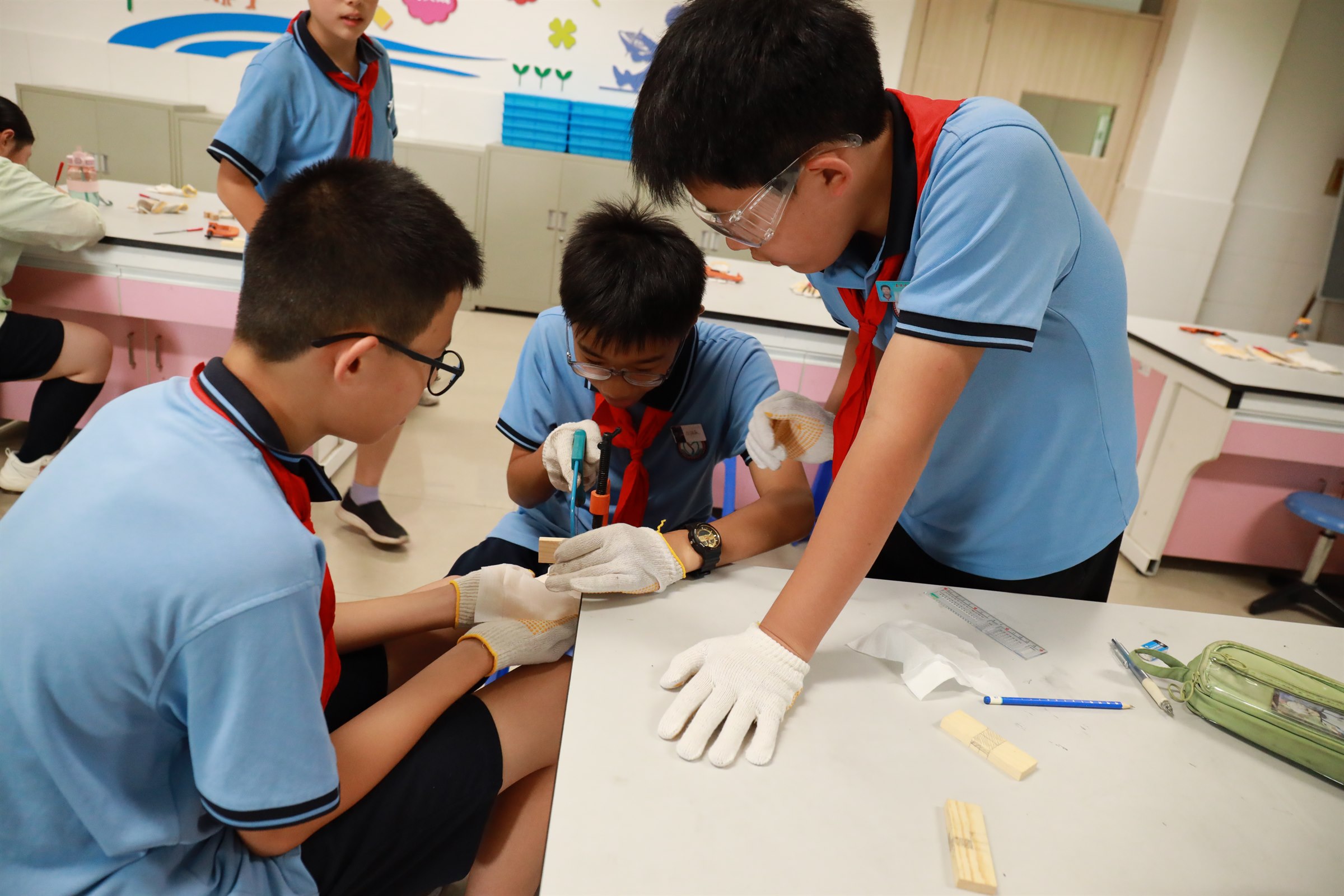
04 / Evidence from reality
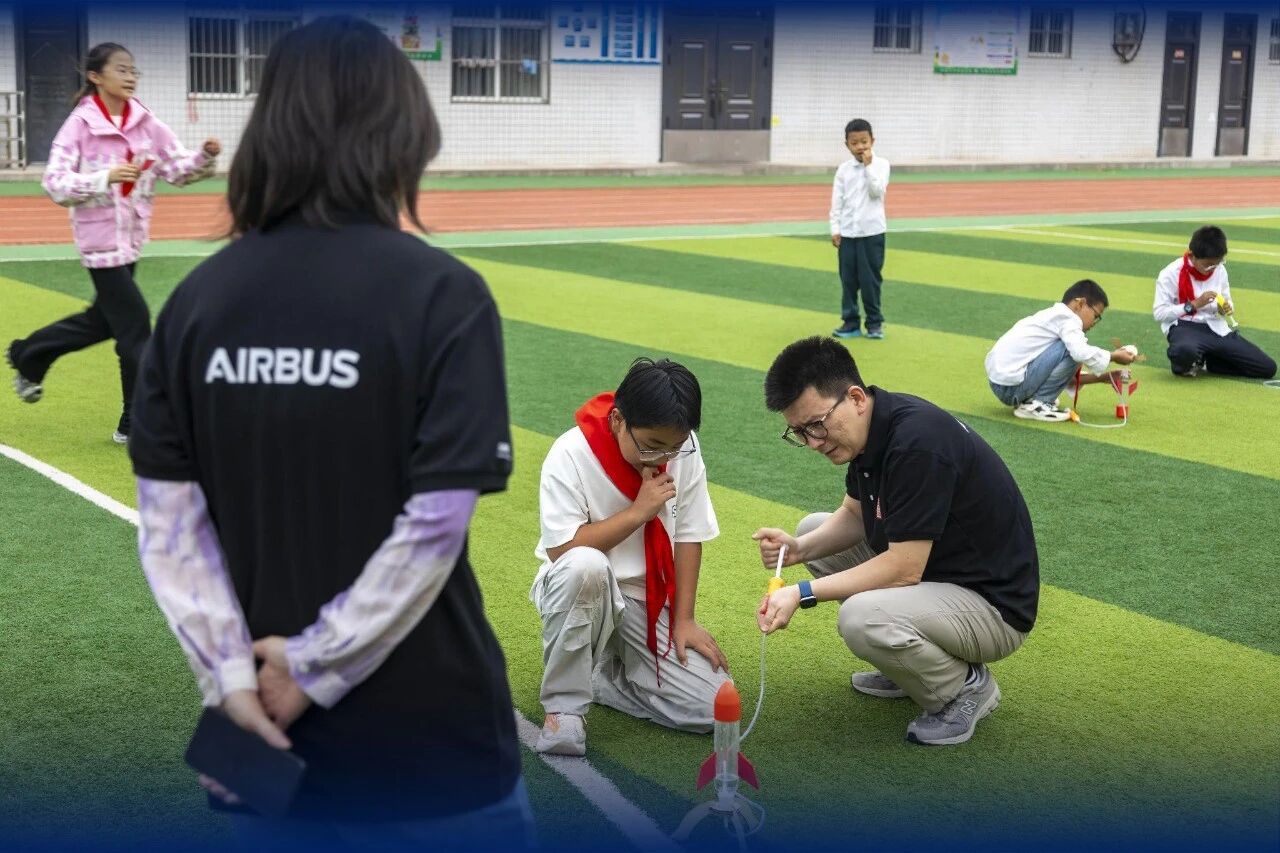
Engineering creates moments when expectations encounter reality: a result differs from a prediction, a material behaves unexpectedly, a design fails, or a learner notices something previously overlooked.
We study how learners respond to those moments—through their observations, judgments, decisions, actions, results, and revisions.
Evidence does not automatically prove that learning has occurred, and a single classroom does not establish a general theory. Evidence may support an interpretation, challenge an assumption, or reveal a question that remains unresolved.
Practice is not where we go to prove ourselves right. It is where our ideas meet reality.
See Evidence from Practice05 / Practice & partnerships
ETERC’s research questions have grown from sustained engagement with educational practice.
We work across schools and learning communities, universities and professional networks, industry and foundations, and international collaborations.
These relationships expose our research to different contexts, constraints, expertise, and questions. Partnership itself is not evidence that a research claim is correct.
Earlier work remains part of this history—not rewritten through today’s theories, but preserved as part of the practice from which today’s questions emerged.
Explore Practice & Partnerships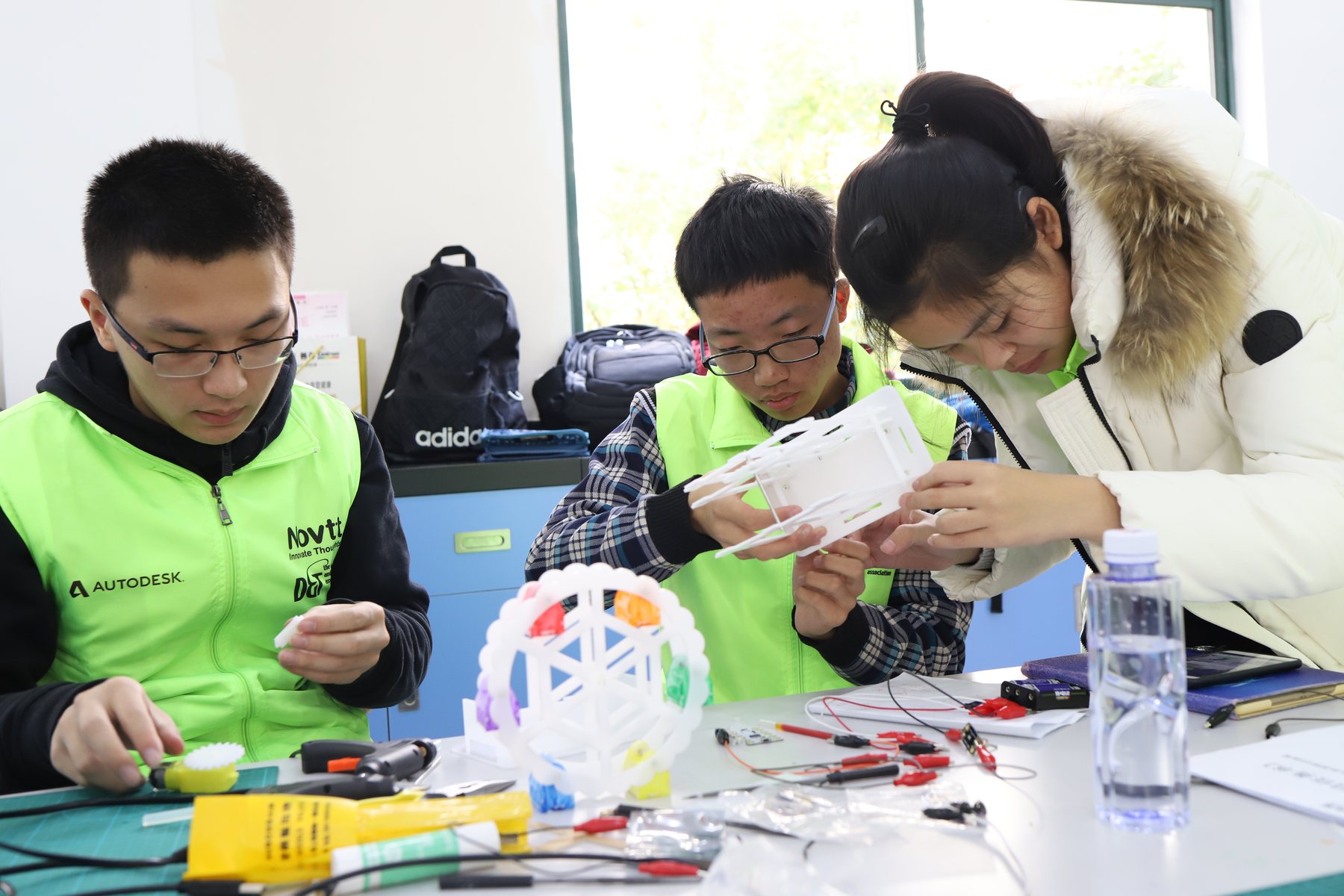
06 / Insights & publications
Research develops over time. Questions change. Evidence accumulates. Interpretations are tested and revised.
ETERC builds a public record of this process through:
Research Insights · Evidence Notes · Publications · Conference & Public Records
Our aim is to make important research ideas traceable, attributable, and open to scrutiny, including what the evidence suggests and what remains unknown.
07 / Partner with us
Meaningful collaboration can begin with a research question, an educational challenge, or a real context worth understanding more closely.
We collaborate through research, schools and learning environments, corporate and foundation partnerships, and professional and international exchange.
Different partners bring different forms of expertise, experience, resources, and access to real educational contexts.
Start a ConversationETERC
Shanghai Engineering & Technology Education Research Center
Shanghai, China
For research and academic exchange, educational practice, institutional partnerships, media enquiries, and other professional communication:
Contact ETERC